A 72-hour bug out bag, commonly known as a BOB, is the cornerstone of any serious emergency preparedness plan. The concept is straightforward: a pre-packed bag containing everything you need to survive for three days if you are forced to evacuate your home on short notice. Whether the threat is a natural disaster, civil unrest, infrastructure failure, or any other emergency scenario, having a well-organized and regularly maintained bug out bag can mean the difference between controlled self-reliance and dangerous chaos. In 2026, with increasingly unpredictable weather patterns, supply chain vulnerabilities, and global instability, the case for building a BOB has never been stronger.
Choosing the Right Bag
The bag itself is your foundation, and choosing poorly here will undermine everything else. You need a pack that is durable, comfortable for extended carrying, weather-resistant, and large enough to hold your gear without being so bulky that it slows you down. For most adults, a pack in the 40 to 65 liter range strikes the right balance between capacity and portability.
Look for a bag with a sturdy internal frame or a well-designed suspension system that distributes weight across your hips rather than loading everything onto your shoulders. Padded hip belts and adjustable sternum straps are essential for comfort during long treks. MOLLE webbing on the exterior provides modular attachment points for pouches, tools, and accessories, giving you flexibility to customize your loadout.
Materials matter. Cordura nylon in the 500D to 1000D range offers an excellent balance of toughness and weight. Water-resistant coatings or built-in rain covers protect your contents from downpours. Avoid bags with excessive zippers, buckles, or decorative features that can fail under stress. Simplicity and ruggedness should be your guiding principles.
Water: Your Top Priority
Water is the single most critical resource in any survival situation. The human body can survive weeks without food but only about three days without water, and performance degrades dramatically well before that point. Your bug out bag should address water needs through a layered approach: carrying water, purifying water, and having backup methods.
Carrying Water: Include at least two liters of water in durable, BPA-free bottles or a hydration bladder. Collapsible water containers are a lightweight option for carrying extra capacity when you find a source. Stainless steel bottles serve double duty, as you can boil water directly in them over a fire if needed.
Purification: A portable water filter like the Sawyer Squeeze or Katadyn BeFree can filter thousands of liters and removes bacteria and protozoa from virtually any freshwater source. Back this up with water purification tablets, which are lightweight, inexpensive, and effective against a broader range of pathogens including viruses. A small vial of unscented liquid bleach, with clear dosing instructions taped to it, provides yet another layer of redundancy.
Shelter and Warmth
Exposure to the elements is one of the leading causes of death in survival situations. Hypothermia can set in at surprisingly mild temperatures when you are wet, tired, and without shelter. Your bug out bag should include multiple options for staying warm and dry.
Emergency Shelter: A quality tarp in the 8x10 or 10x10 foot range, paired with 50 feet of paracord, gives you enormous flexibility for creating improvised shelters. Lightweight backpacking tents or bivvy sacks offer more protection and comfort but take up more space. At minimum, include a Mylar emergency blanket, which weighs almost nothing, reflects up to 90 percent of your body heat, and can serve as a ground cover, rain shield, or signaling device.
Sleeping: A compact sleeping bag rated to the lowest temperatures you might reasonably encounter is a valuable addition. If space is limited, a sleeping bag liner adds warmth to any setup and can serve as a standalone sleep system in mild weather. An insulated sleeping pad, even a thin closed-cell foam pad, prevents heat loss to the ground, which is more significant than most people realize.
Fire Starting: Fire provides warmth, the ability to boil water, cook food, signal for help, and a massive morale boost. Pack at least three independent fire-starting methods: a ferrocerium rod with a striker, waterproof matches in a sealed container, and a reliable butane lighter. Supplement these with tinder materials like fatwood sticks, petroleum jelly-soaked cotton balls, or commercial fire starters that light reliably even in wet conditions.
Food and Nutrition
While food is less immediately critical than water and shelter, maintaining your caloric intake over 72 hours will keep your energy levels up and your decision-making sharp. The ideal BOB foods are lightweight, calorie-dense, shelf-stable, and require minimal or no preparation.
Recommended Foods: High-calorie energy bars and meal replacement bars are the backbone of most bug out bag food supplies. Products from brands that specialize in emergency rations are formulated for long shelf life and compact packaging. Freeze-dried meals have improved dramatically and offer hot, satisfying meals when you have access to boiling water. Trail mix, jerky, peanut butter packets, and hard candy round out a well-balanced food kit.
Pack enough food for a minimum of 2,000 calories per day per person for three days. That is 6,000 calories total at a minimum, though more active evacuation scenarios may demand 3,000 or more calories per day. Rotate your food supply every six to twelve months to ensure everything remains fresh and palatable.
First Aid and Medical Supplies
A comprehensive first aid kit is non-negotiable in any bug out bag. Commercial first aid kits designed for outdoor use provide a solid starting point, but you should customize yours based on your personal medical needs and training level. At a minimum, include the following:
Adhesive bandages in various sizes, sterile gauze pads and rolls, medical tape, elastic bandages for sprains, butterfly closure strips, antiseptic wipes and ointment, a CPR barrier mask, nitrile gloves, tweezers, trauma shears, a SAM splint, and a quality tourniquet like the CAT or SOFTT-W. If you carry a tourniquet, make sure you have trained in its proper application, as incorrect use can cause more harm than good.
Include a personal supply of any prescription medications you take, along with common over-the-counter medications like ibuprofen, acetaminophen, antihistamines, anti-diarrheal tablets, and electrolyte powder packets. Moleskin or blister treatment pads are essential, as blisters can become debilitating quickly during extended foot travel.
Tools and Equipment
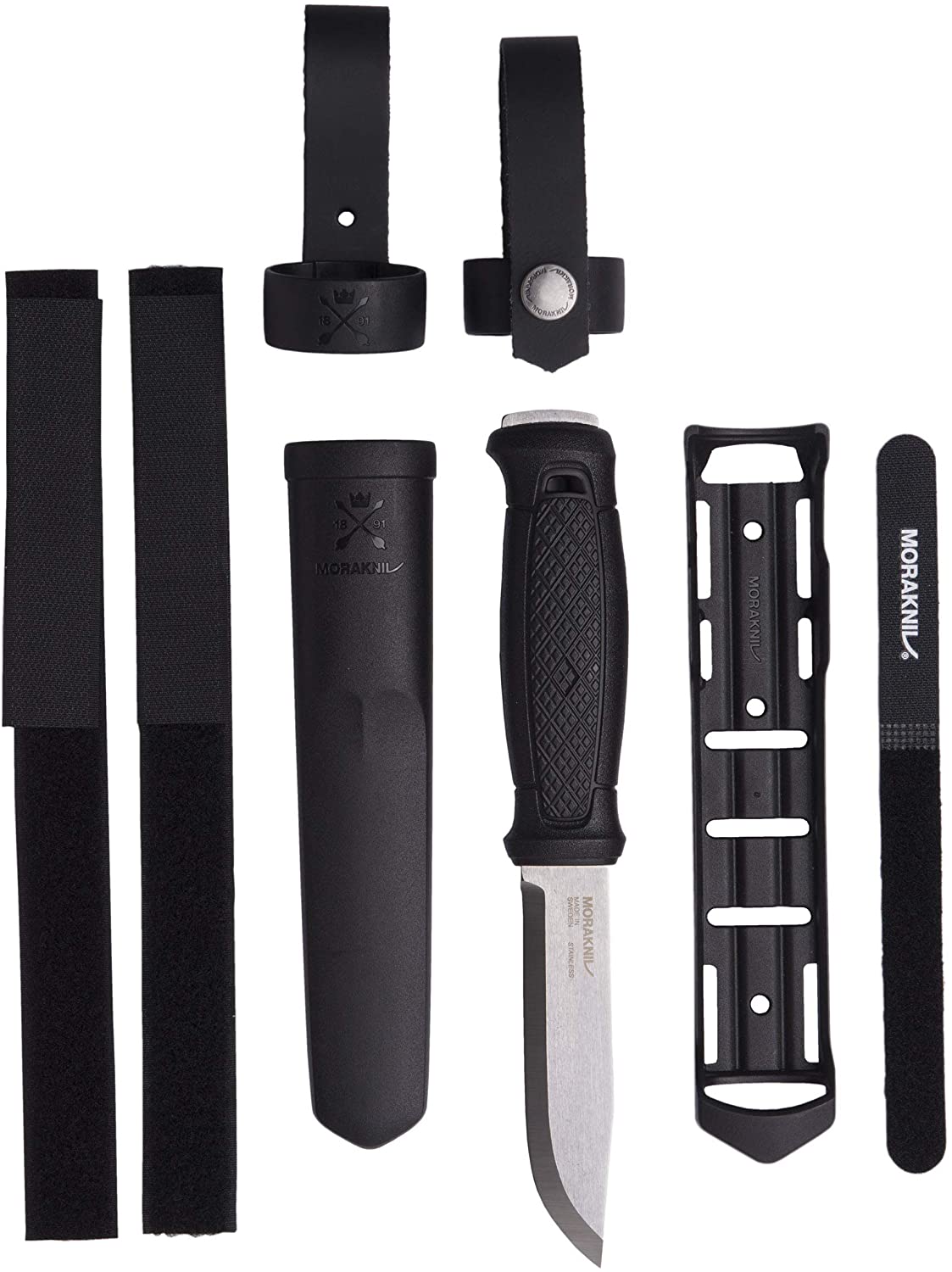
A few well-chosen tools dramatically increase your capabilities in the field. A full-tang fixed-blade knife in the 4 to 6 inch range is arguably the single most important tool in your kit. Use it for processing wood, preparing food, cutting cordage, and dozens of other tasks. Supplement it with a compact multi-tool that includes pliers, screwdrivers, a saw blade, and a can opener.
A headlamp with multiple brightness settings and a red-light mode keeps your hands free while providing illumination. Pack extra batteries or choose a rechargeable model with a solar or hand-crank charging option. A small, solar-powered USB charger can keep your phone alive for navigation, communication, and accessing digital survival references.
Other essential tools include a compact folding saw for processing firewood, a signaling whistle rated to at least 100 decibels, a compass and waterproof topographic maps of your local area, duct tape wrapped around a pencil to save space, heavy-duty zip ties, and at least 100 feet of 550 paracord.
Clothing and Personal Protection
Pack a complete change of weather-appropriate clothing in a waterproof stuff sack. Merino wool or synthetic base layers wick moisture and dry quickly. A packable rain jacket and rain pants protect against downpours. Extra socks are worth their weight in gold, as wet feet lead to blisters, infections, and misery. A warm hat, gloves, and a neck gaiter are essential in cold weather and take up minimal space.
Sturdy, broken-in footwear is critical but is generally worn rather than packed. Make sure you have reliable boots or trail shoes that you have already logged many miles in before relying on them in an emergency.
Documents and Communication
Keep copies of important documents in a waterproof pouch inside your bag. This includes identification, insurance policies, bank account information, emergency contact numbers, medical records, and any property documents you might need. A small amount of cash in various denominations is also wise, as electronic payment systems may be unavailable during emergencies.
A battery-powered or hand-crank AM/FM/NOAA weather radio keeps you informed of conditions and official instructions. Consider a set of FRS/GMRS walkie-talkies if you are evacuating with family or a group, and establish a communication plan and meeting points in advance.
Maintaining Your Bug Out Bag
A bug out bag is not a build-it-and-forget-it project. Schedule a thorough review of your bag at least twice a year. Check expiration dates on food, water, medications, and batteries. Test your electronics, fire-starting tools, and water filter. Replace any items that show wear or damage. Adjust your clothing and gear seasonally to match current weather conditions.
Practice using every item in your bag before you need it for real. Go on practice hikes with your loaded pack to test your fitness level and identify any comfort issues. The middle of an emergency is the worst time to discover that your pack does not fit properly or that you do not know how to use your water filter.
Final Thoughts
Building a 72-hour bug out bag in 2026 is one of the most practical and empowering steps you can take toward personal and family preparedness. The gear and supplies outlined in this guide provide a solid foundation, but the most important element is the mindset of readiness. Take the time to build your bag thoughtfully, practice with your gear regularly, and keep your supplies current. When the unexpected happens, you will be grateful that you took the time to prepare.