A rolled ankle on a day hike. A deep cut from a camp knife. A bee sting that triggers an allergic reaction. These things happen in the outdoors, and when the nearest ER is a three-hour drive and a two-mile hike away, knowing basic wilderness first aid is not optional. It is essential.
Wilderness first aid differs from standard first aid because you cannot assume an ambulance is coming quickly.
You may need to stabilize an injury, manage pain, prevent infection, and possibly evacuate someone on foot. This guide covers the skills that matter most when professional medical help is not immediately available.
Assessing the Scene and the Patient
Scene Safety
Before you touch the patient, look around. Is the area safe? If someone fell from a cliff, is there loose rock that could fall on you? If someone got hurt near a river, is the current a danger to rescuers? You cannot help anyone if you become a second patient.
Secure the scene first, then approach.
Primary Assessment
Check the ABCs: Airway, Breathing, Circulation. Is the person conscious? Are they breathing? Is there severe bleeding? These three checks take about 10 seconds and tell you whether you are dealing with a life-threatening emergency or a manageable injury.
If the person is unconscious and not breathing, begin CPR if you are trained.
If they are breathing but unconscious, place them in the recovery position on their side with the top leg bent forward for stability to keep their airway clear.
Secondary Assessment
Once you have confirmed no immediate life threats, do a head-to-toe check. Run your hands gently over the skull, neck, collarbones, ribs, abdomen, pelvis, and limbs. You are feeling for deformities, swelling, tenderness, and wetness from blood.
Ask the patient where it hurts. Check their pupils for equal size and reaction to light.
Controlling Bleeding
Direct Pressure
Most bleeding stops with firm, direct pressure. Place a clean cloth or gauze pad directly on the wound and press hard. Hold it there for at least 10 minutes without lifting to check. Peeking resets the clotting process. If blood soaks through, add more gauze on top without removing the first layer.
Wound Packing
For deep wounds that are bleeding heavily, especially in areas like the groin, armpit, or neck where a tourniquet cannot be applied, pack the wound with gauze. Push the gauze deep into the wound and apply pressure on top. This is uncomfortable for the patient but it works.
Tourniquet Use
For severe limb bleeding that will not stop with direct pressure, a tourniquet saves lives. Apply it two to three inches above the wound, tighten until bleeding stops, and note the time of application.
Modern tourniquets like the CAT are compact and reliable. Every wilderness first aid kit should include one.
The old advice about tourniquets causing limb loss was overstated. A tourniquet applied for several hours is far better than bleeding to death. Apply it, note the time, and get to definitive medical care.
Treating Sprains and Fractures
RICE for Sprains
Rest, Ice, Compression, Elevation.
Stop using the injured joint. Apply cold water or a cold pack if available. Wrap the joint snugly with an elastic bandage. Elevate it above the heart. In the wilderness, a cold stream provides ice, and a bandana provides compression. Most mild sprains allow walking out with a makeshift walking stick for support.
Splinting Fractures
If a bone is broken, the goal is to immobilize the joints above and below the break.
Use sticks, trekking poles, sleeping pads, or any rigid material padded with clothing. Secure the splint with bandages, strips of cloth, or duct tape. Check circulation below the splint regularly by feeling for a pulse and checking that fingers or toes are warm and pink.
Managing Burns
Cool the burn immediately with cool water for at least 10 minutes. Remove rings, watches, and tight clothing near the burn before swelling starts.
Cover with a clean, non-stick dressing. Do not apply butter, toothpaste, or other home remedies. For serious burns that blister or char, cover loosely and evacuate.
Recognizing and Treating Hypothermia
Hypothermia starts with shivering and poor coordination, then progresses to confusion, slurred speech, and eventually unconsciousness. It can happen in surprisingly mild temperatures, especially if someone is wet and wind-exposed.
Treatment: Get the person out of the wind and rain. Remove wet clothing and replace with dry layers. If they are conscious, give warm sweet drinks. Place heat sources like warm water bottles or heat packs at the core areas: neck, armpits, and groin. Do not warm the extremities first, as this can drive cold blood back to the core and worsen the condition.
Handling Heat Exhaustion and Heat Stroke
Heat exhaustion shows up as heavy sweating, weakness, nausea, and headache.
Move the person to shade, have them lie down with legs elevated, and give water with electrolytes. Cool them with wet cloths on the neck, forehead, and wrists.
Heat stroke is a true emergency. The skin becomes hot and dry, and confusion or unconsciousness sets in. Cool the person aggressively with whatever water you have. Pour it on them, fan them, and evacuate immediately. Heat stroke can kill in under an hour without treatment.
Allergic Reactions and Anaphylaxis
Mild allergic reactions cause localized swelling, hives, and itching.
Antihistamines like diphenhydramine handle most mild reactions. Anaphylaxis is different. It causes throat swelling, difficulty breathing, a rapid drop in blood pressure, and can be fatal in minutes.
If someone in your group has known severe allergies, make sure they carry an epinephrine auto-injector and that everyone knows where it is and how to use it. Inject into the outer thigh through clothing if needed.
After using the injector, evacuate immediately because the effects are temporary and a second reaction can follow.
Building a Wilderness First Aid Kit
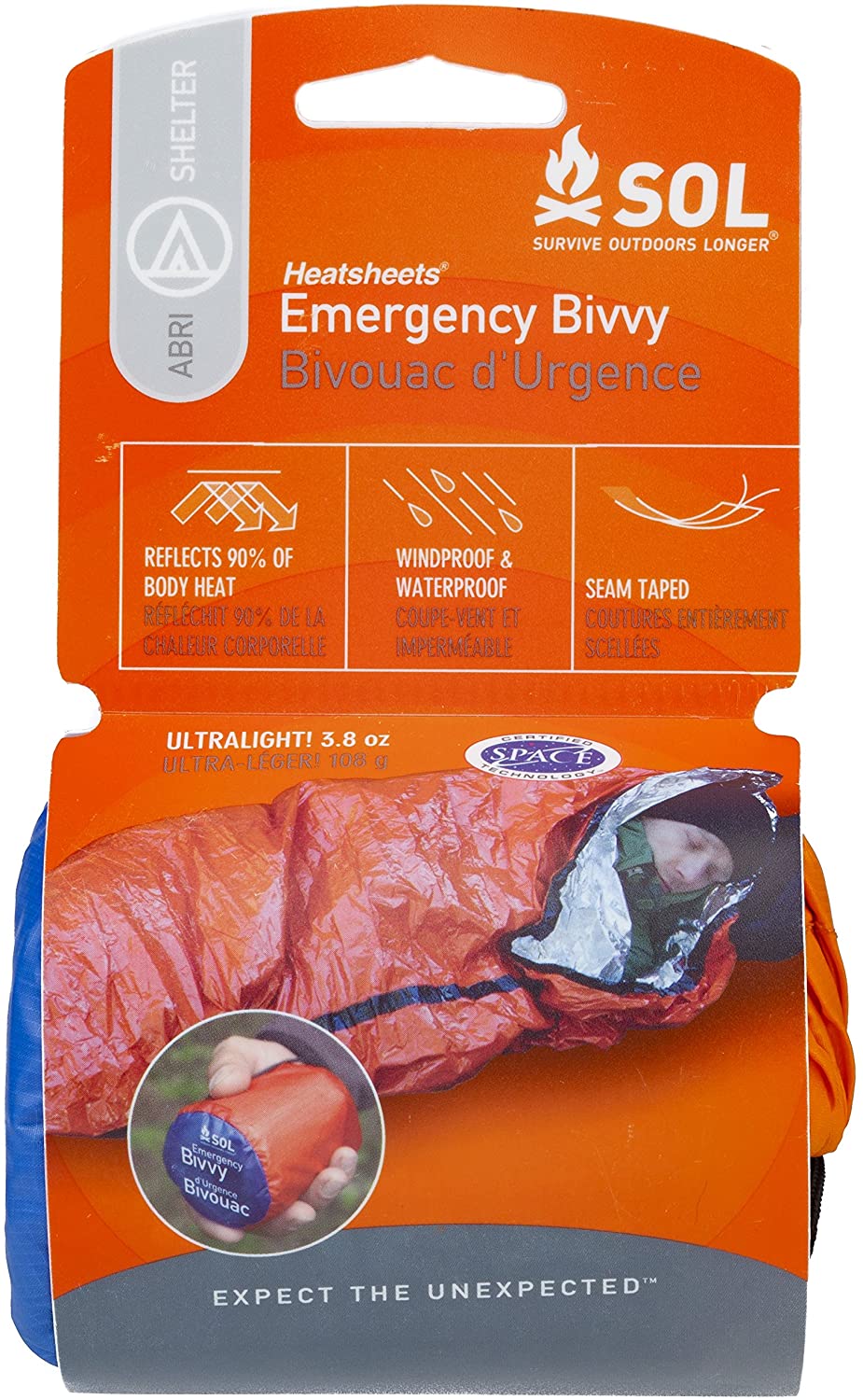
Your kit should include: adhesive bandages in multiple sizes, gauze pads and rolls, elastic bandage wrap, medical tape, a SAM splint, a tourniquet, nitrile gloves, antibiotic ointment, ibuprofen, diphenhydramine, tweezers, a small pair of scissors, irrigation syringe for wound cleaning, and a compact emergency blanket.
Keep everything in a waterproof bag or dry sack.
Final Thoughts
Reading this article gives you a foundation, but wilderness first aid is a hands-on skill. Take a Wilderness First Aid or Wilderness First Responder course if you spend significant time outdoors. The investment of a weekend course could save someone's life, including your own. Carry a first aid kit, know how to use everything in it, and practice the skills before you need them for real.