Getting stranded in your car during winter happens more often than people think. A sudden blizzard, black ice on a rural road, a dead battery in a parking lot at midnight, or a mechanical breakdown miles from cell service. These are not extreme scenarios. They are Tuesday in February for anyone who drives in cold climates.
A properly assembled winter emergency kit in your trunk can keep you warm, fed, and safe for 24 to 48 hours while you wait for help or conditions to improve.
Putting one together takes about an hour and costs less than a modest dinner out.
Warmth: Your Top Priority
Hypothermia is the primary threat when stranded in a cold vehicle. Once the engine stops running and the heater shuts off, the interior temperature drops toward ambient within an hour. If it is 10 degrees outside, your car interior will be 10 degrees before long.
Pack a heavy wool blanket or a sleeping bag rated to at least 20 degrees Fahrenheit.
Wool blankets retain warmth even when damp, which matters if snow has gotten into the car. A compact sleeping bag stuffed in a compression sack takes up little trunk space and provides serious insulation.
Add chemical hand warmers. A 10-pack costs a few dollars and each pair produces heat for 8 to 10 hours. Stuff them in your gloves, boots, or inside your jacket for targeted warmth. They are effective and require no batteries or fuel.
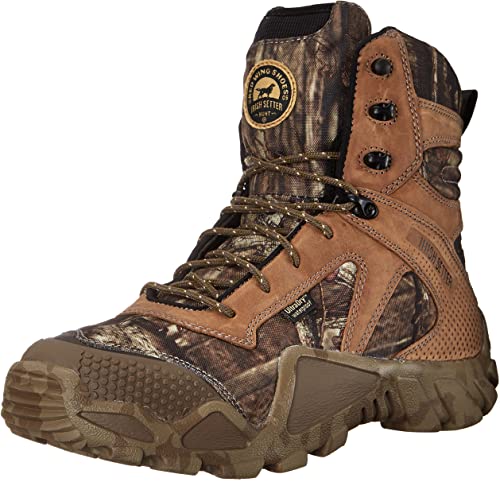
Keep an extra set of warm clothing in the kit: a heavy fleece or down jacket, warm hat, insulated gloves, and thick socks.
If you are commuting in business clothes when your car breaks down, those dress shoes and thin jacket will not keep you alive overnight. Having warm layers in the trunk changes the equation entirely.
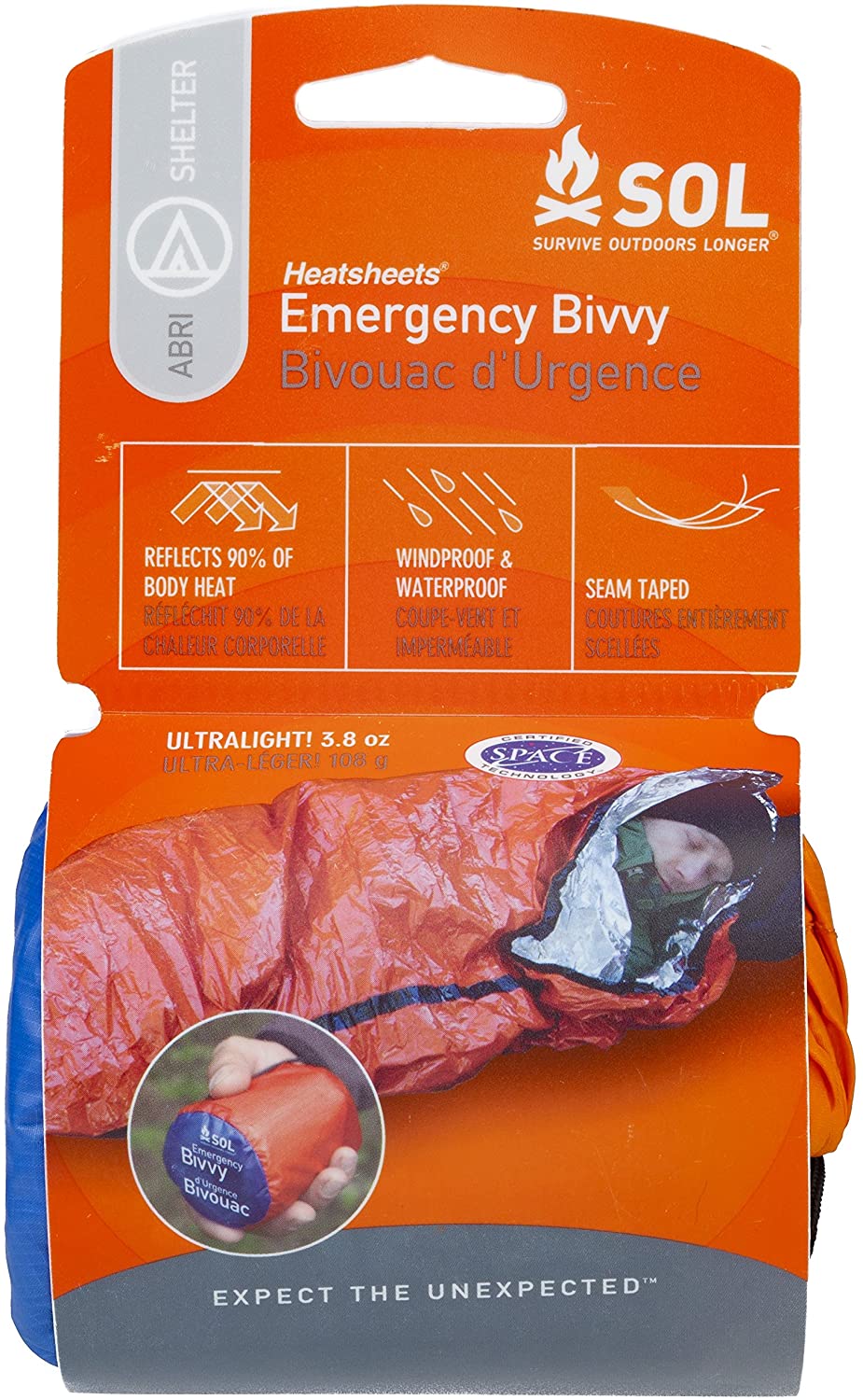
Emergency mylar blankets (space blankets) are worth adding as a supplement but should not be your only warmth source. They reflect body heat effectively but feel cold, crinkle loudly, and tear easily.
Use them as a layer over or under a real blanket.
Traction and Recovery
A small bag of kitty litter or sand provides traction if your tires are spinning on ice. Spread it under the drive wheels and you can often get moving again without outside help. Non-clumping clay litter works best for this purpose.
A compact folding shovel lets you dig out snow from around your tires and exhaust pipe. Keeping the exhaust pipe clear is critical if you run the engine for heat.
A blocked exhaust pipe forces carbon monoxide into the cabin, which is deadly.
Tow straps and jumper cables address the two most common winter car problems: getting stuck and dead batteries. A quality set of jumper cables (at least 4 gauge, 20 feet long) reaches between vehicles in parking lots, and a tow strap rated for your vehicle weight gets you pulled out of a ditch by a passing truck.
Food and Water
Keep a case of bottled water in the trunk.
In freezing weather, the bottles may freeze solid. Store a couple of bottles inside the passenger compartment where residual heat keeps them liquid longer. A metal water bottle that you can place near a heat source (running engine vent, hand warmer) to thaw is also useful.
Pack calorie-dense, non-perishable food that does not require preparation. Energy bars, trail mix, peanut butter crackers, beef jerky, and hard candy all store well in cold temperatures and provide quick energy.
Aim for at least 2,000 calories per person in the vehicle.
Avoid canned goods that require a can opener and heating. Simple, ready-to-eat food that you can consume with cold hands while sitting in a car is what you want.
Signaling and Communication
A car phone charger that works off the 12V outlet keeps your phone alive for calling help. Better yet, keep a portable battery bank charged and in the kit.
Many phone batteries drain rapidly in cold weather, so a backup power source is essential.
Reflective triangles or road flares placed behind your vehicle alert other drivers and help rescuers locate you in low visibility conditions. LED road flares are a modern alternative that last for hours and do not produce an open flame near fuel.
A bright LED flashlight with fresh batteries helps you signal, inspect your vehicle, and navigate if you need to walk to find help. Headlamps are even better because they keep your hands free. Store extra batteries with the light.
Tools and Supplies
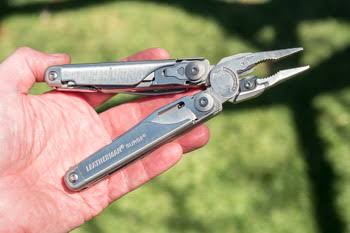
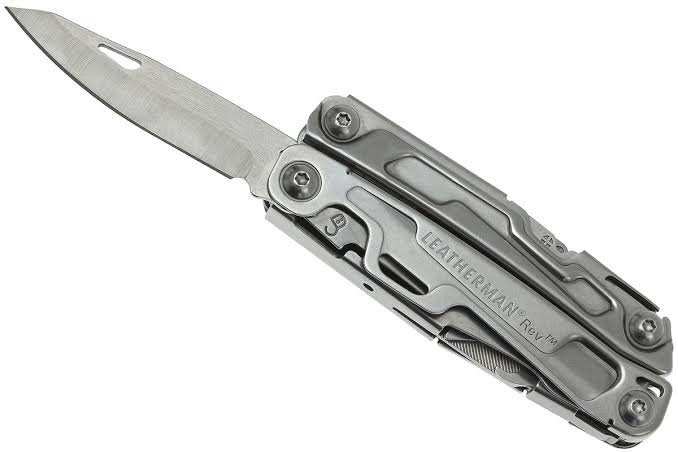
A basic tool kit with a multi-tool, pliers, screwdrivers, and duct tape handles minor roadside repairs. Duct tape alone can temporarily fix a cracked hose, secure loose trim, or seal a broken window against wind and snow.
A first aid kit with bandages, antiseptic, pain medication, and any personal medications is essential.
Add specific items for cold weather injuries: instant cold packs (for sprains from slipping on ice) and extra gauze for wound care.
A small candle in a metal tin provides surprising warmth in an enclosed vehicle. A single tea light candle can raise the interior temperature of a car by several degrees. It also provides light and a morale boost during a long, dark wait.
What Not to Do
Do not leave your car to walk for help unless you can see a building or know for certain that help is close.
Your vehicle is your shelter, your signaling device, and your most visible asset to rescuers. People who leave their cars in winter storms are far more likely to become disoriented and suffer exposure than those who stay put.
If you run the engine for heat, crack a window slightly for ventilation and make sure the exhaust pipe is clear of snow. Run the engine for 10 to 15 minutes per hour to conserve fuel while maintaining some warmth.
Putting It Together
Use a duffel bag or storage tote to keep everything organized in the trunk.
Check the kit at the start of every winter season. Replace expired food, check battery levels in flashlights, and verify that your phone charger still works. A winter emergency kit is only useful if it is complete and functional when you need it. Spend an hour putting one together now, and it sits quietly in your trunk until the day you are very glad it is there.