
Getting a fire going when everything around you is soaked separates people who practice outdoor skills from people who read about them. Rain, snow, and general dampness kill fires before they start because moisture absorbs heat energy that should be igniting your fuel. The techniques below work in genuinely wet conditions, not just light drizzle.
Finding Dry Tinder When Nothing Looks Dry
Even in a downpour, dry material exists if you know where to look.
The inner bark of dead standing birch trees stays dry beneath the papery outer layers. Peel back the wet exterior and shave off the dry fibrous material underneath. Dead branches still attached to tree trunks, especially on the underside of leaning trees, are often dry at their core even when the exterior is damp. Snap them rather than cutting to check: a dry branch snaps cleanly with a crack, while a wet one bends or breaks with a dull sound.
Pine resin globs found on injured trees ignite readily even when wet, since the resin itself is waterproof and flammable.
Processing Wet Wood Into Usable Fuel
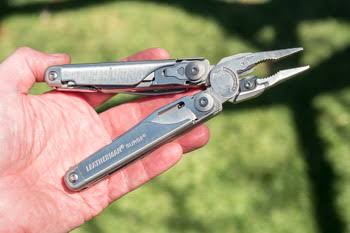
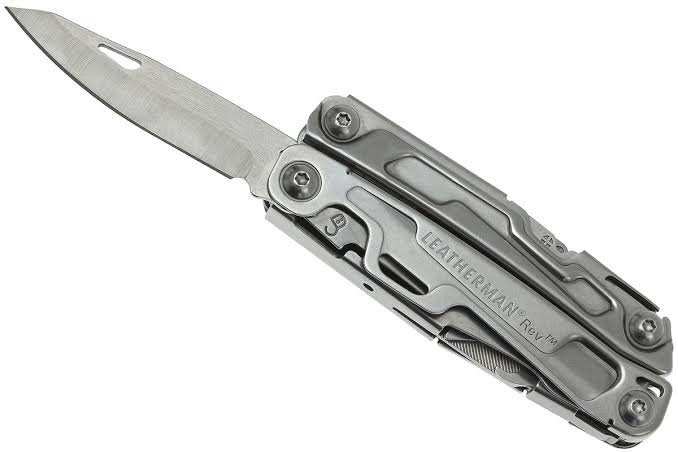
The inside of a thick piece of wood stays dry even after days of rain. Split rounds of dead wood using your knife and a baton to expose the dry interior. Shave thin curls off the dry inner faces to create what bushcrafters call feather sticks.
Each feather stick should have curls thin enough that they catch fire almost as easily as paper. Make at least four or five feather sticks before attempting to light anything. This prep work is the difference between success and frustration.
The Platform Principle
Never build a fire directly on wet ground. Lay down a platform of wrist-thick green logs or flat rocks to insulate your fire from ground moisture.
This prevents the damp earth from wicking heat away from your tinder bundle. In snow, this platform is absolutely critical. Without it, the fire melts downward into the snow and eventually drowns itself. The platform should be at least twice the diameter of your intended fire.
Fire Lay for Wet Conditions: The Top-Down Method
The standard teepee fire lay works fine in dry conditions but struggles when fuel is damp. The top-down or upside-down fire lay works better in wet weather. Start by laying your largest splits on the platform in a row. Add a perpendicular layer of medium splits on top. Then another layer of small splits. Place your feather sticks and tinder on the very top. Light the top. As the fire burns downward, each layer dries the one beneath it before igniting it.
This method is slower to get fully going but far more reliable with damp wood than a teepee structure.
Ignition Sources That Work When Wet
A Bic lighter works in rain if you keep it in your pocket and dry the wheel on your shirt before striking. Ferro rods produce sparks at over 3,000 degrees Fahrenheit regardless of moisture and are the most reliable wet-weather ignition source. Scrape the rod firmly with the spine of your knife or the included striker.
The sparks need to land on fine, dry material. Waterproof matches exist but they are slower to light and the coating can get damaged in a pack. Carry a ferro rod as your primary and a lighter as backup.
Accelerants and Fire Starters Worth Carrying
Commercial fire starters make wet-weather fires dramatically easier. Wetfire tinder cubes ($8 for 12) actually burn better when wet and each cube sustains flame for 5 to 8 minutes.
Cotton balls soaked in petroleum jelly cost almost nothing to make and burn for about 3 minutes each. Store them in a small waterproof container or a section of bicycle inner tube tied at both ends. Fatwood, which is resin-saturated heartwood from dead pine stumps, lights easily even when the surface is damp. You can buy fatwood sticks for about $10 per bundle or harvest them yourself from old pine stumps in the forest.
Wind and Rain Management
Wind is both enemy and ally.
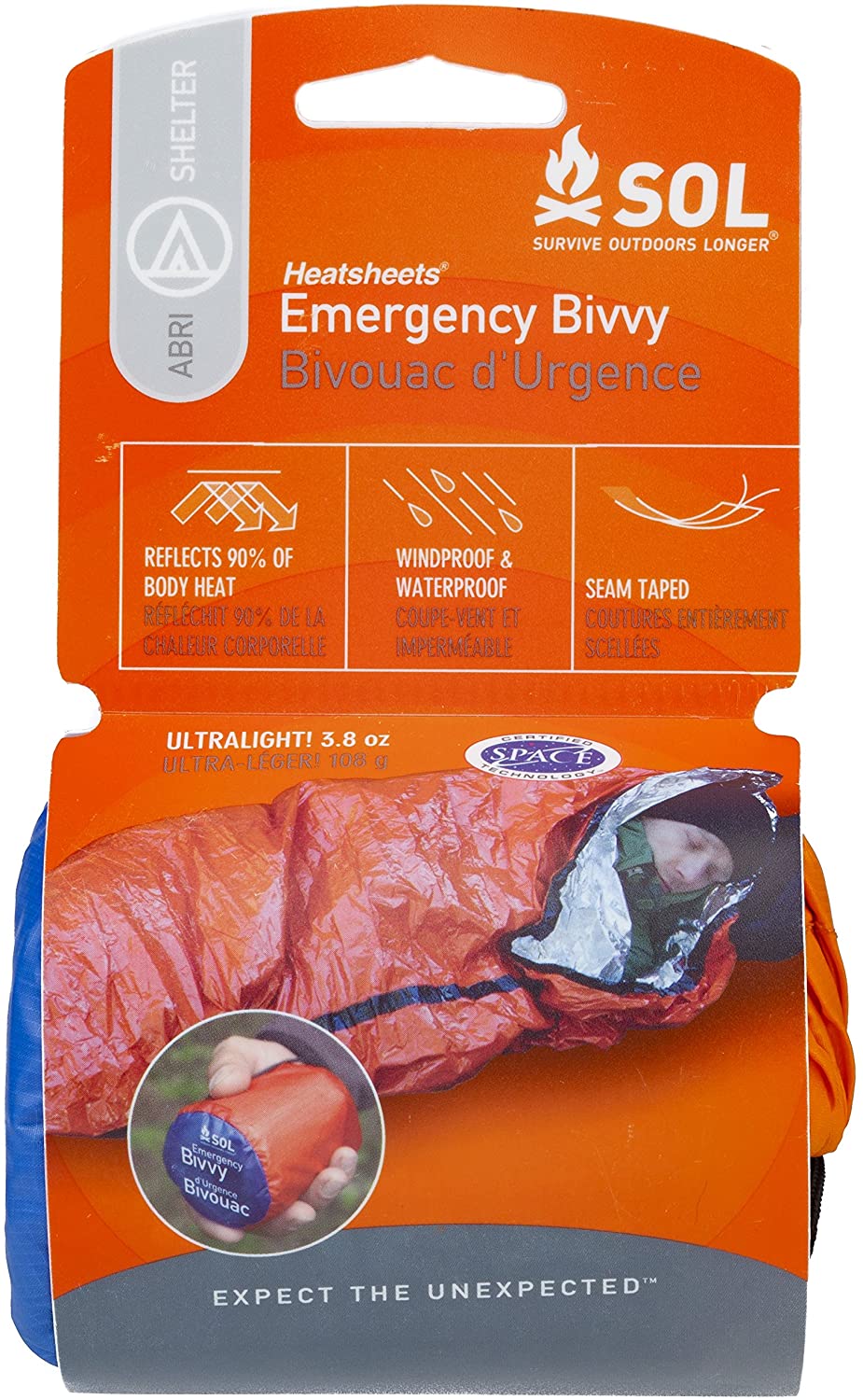
It blows rain onto your fire but also feeds oxygen to flames. Position your fire on the leeward side of a large rock, fallen tree, or natural windbreak. If nothing natural exists, prop up a tarp or emergency blanket at an angle to deflect rain while allowing airflow from the sides. Never fully enclose a fire since restricted airflow smothers it faster than rain does. A reflector wall built from stacked green logs behind your fire serves double duty: it blocks wind from one direction and reflects heat back toward your shelter.
Practice Before You Need It
Trying to learn wet-weather fire building during an actual emergency is a bad time. Go out on a rainy afternoon in your backyard or a nearby park and practice. Bring only a knife and ferro rod. Try to get a sustainable fire going using only natural materials. Fail a few times. Adjust your technique. The muscle memory and material recognition you develop during practice will serve you when conditions are genuinely miserable and a fire is not optional.