Getting lost or injured in the wilderness is a scenario most outdoor enthusiasts prefer not to think about. But it happens, and when it does, your ability to signal for help can determine how quickly rescue arrives. The good news is that effective signaling does not require expensive gear. Many of the best techniques use items you probably already carry or materials found in nature.
This guide covers the most reliable methods for attracting attention when you need it most.
The Universal Rule of Three
Before getting into specific methods, understand this: three of anything is the universal distress signal.
Three whistle blasts. Three fires in a triangle. Three piles of rocks. Three flashes of a mirror. Search and rescue teams are trained to recognize patterns of three as a call for help. A single fire might be a camper cooking dinner. Three fires spaced apart says someone needs assistance.
Keep this in mind with every signaling method described below. Repetition in threes is your friend.
Signal Mirrors
A signal mirror is one of the most effective daytime signaling tools available.
On a clear day, the flash from a quality glass signal mirror can be seen from 10 miles or more. Pilots have reported seeing mirror flashes from over 50 miles away under ideal conditions.
To use a signal mirror, hold it close to your face and extend your other arm toward the target, whether that is an aircraft, a distant ridge, or a boat. Look through the sighting hole in the mirror and adjust the angle until the reflected sunlight hits your outstretched hand.
Then move the flash onto your target by aligning the bright spot with your hand and the aircraft or person you are trying to reach.
If you do not have a purpose-built signal mirror, any reflective surface works in a pinch. A phone screen, a belt buckle, the bottom of an aluminum can polished with toothpaste or fine dirt. The key is getting a concentrated beam of light aimed at your target rather than just waving it randomly at the sky.
Sweep the horizon periodically even if you do not see aircraft. A rescue plane might be approaching from an unexpected direction, and your flash could catch the pilot's eye before you even hear the engine.
Fire Signals
Fire has been used for signaling since long before any of our modern gear existed. During the day, smoke is your primary signal. At night, the flame itself carries the message.
For daytime smoke signals, you want thick, visible smoke.
Start with a strong base fire, then add green branches, wet leaves, or damp moss. The moisture creates dense white smoke that stands out against most backgrounds. If you are in a snowy environment, burning rubber, oil, or plastic creates dark smoke that contrasts better against white terrain. Use these materials only in a genuine emergency since they produce toxic fumes.
At night, a fire visible from the air can attract attention within miles.
Build your fire in an open area, away from tree cover that would block the light. If possible, build three fires in a triangle pattern spaced about 100 feet apart. This triangle formation is an internationally recognized distress signal.
Prepare your signal fires in advance so you can light them quickly when you hear or see potential rescuers. Keep tinder, kindling, and fuel stacked and ready.
Waiting until you spot a helicopter and then scrambling to start a fire from scratch wastes precious minutes.
Whistle Signals
A whistle carries much further than the human voice and requires far less energy. Most survival whistles can be heard up to a mile away in calm conditions. Compare that to shouting, which typically carries a few hundred yards at best and will leave you hoarse in minutes.
The standard distress signal is three short blasts, pause, then three more.
Keep repeating this pattern. If you hear two blasts in return, that is a rescuer acknowledging your signal and heading your way.
A pealess whistle like the Fox 40 or Storm Safety Whistle works better for survival situations than a traditional pea whistle. Pealess designs do not freeze in cold weather, do not fail when wet, and do not clog with dirt. They also tend to be louder.
Attach your whistle to your pack strap or wear it on a lanyard around your neck. A whistle buried in the bottom of your pack is useless when you are pinned under a fallen tree with one free hand.
Ground-to-Air Signals
If you are in an open area visible from the air, ground-to-air signals can communicate specific messages to search aircraft. The most important symbol to know is a large X, which means you require medical assistance.
A large V means you need help generally. A single straight line means you need supplies. An arrow points rescuers in your direction of travel if you are moving.
Make these symbols as large as possible. Each stroke should be at least 10 feet long and 3 feet wide at minimum. Larger is always better. Use materials that contrast with the ground. On dark soil, use light-colored rocks or stripped bark.
On snow, use dark branches, clothing, or gear.
Stomp out your symbol in snow to create shadows that are visible from high altitude. In sandy or dirt areas, dig shallow trenches that catch shadows throughout the day. The contrast of light and shadow is what pilots notice from thousands of feet up.
Flashlights and Strobes
At night, a flashlight can be used to signal by flashing SOS in Morse code: three short flashes, three long flashes, three short flashes.
Many tactical flashlights include a dedicated SOS strobe mode that automates this pattern.
A dedicated rescue strobe is even more effective. These small, lightweight devices produce intense flashes visible for several miles. They run for hours on a single battery set and are visible to both aircraft and ground searchers.
If you carry a headlamp, which most hikers do, it can serve double duty as a signal light.
Remove it from your head, point it toward your target, and flash the SOS pattern manually or use the strobe mode if it has one.
Personal Locator Beacons and Satellite Messengers
Modern technology has given us the most reliable signaling method ever invented. A personal locator beacon, or PLB, sends a distress signal via satellite to search and rescue authorities worldwide. When activated, it transmits your GPS coordinates to the nearest rescue coordination center.
There is no subscription fee with a PLB, and the satellite network is monitored 24 hours a day.
Satellite messengers like the Garmin inReach or ZOLEO go a step further by allowing two-way text communication. You can describe your situation, share your location, and coordinate with rescuers in real time. These require a monthly subscription but offer peace of mind that is hard to match.
The downside is that both devices require battery power and can fail if damaged. They should be your primary signaling method but never your only one.
Always carry at least one backup like a whistle and signal mirror.
Improvised Signals
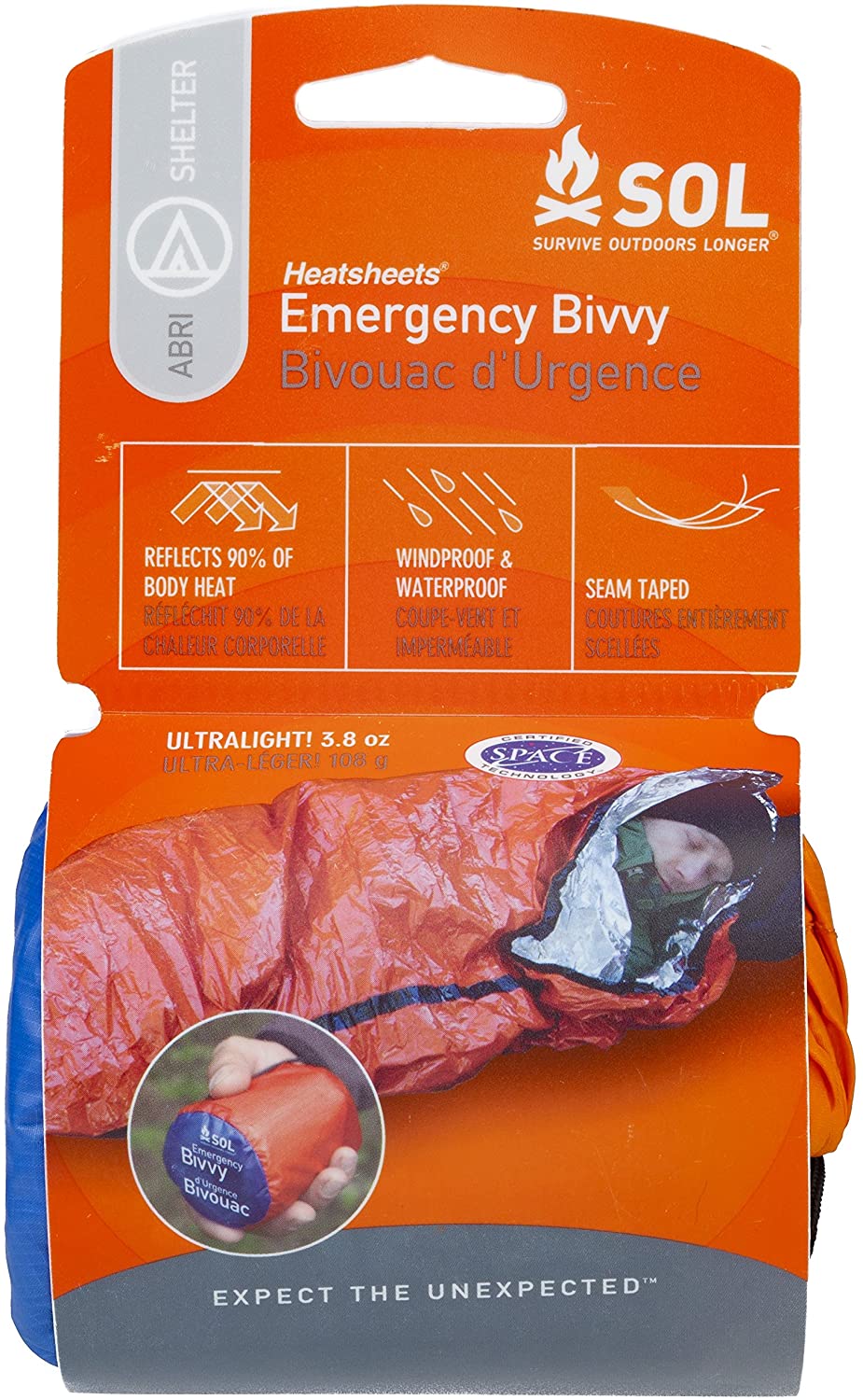
When you have none of the above, get creative. Bright clothing or gear spread out in an open area can attract attention from aircraft. A space blanket laid out in a clearing is visible from a long distance due to its reflective surface.
If you are near water, disturbing the surface creates a visual pattern visible from the air.
Wading into a calm lake and splashing creates a contrast that stands out from the uniform water surface.
Even footprints can signal for help. Stomping out large letters or symbols in sand, snow, or mud creates shadows visible from altitude. Spell HELP or SOS in letters at least 10 feet tall.
Putting It All Together
The best approach is layered signaling. Use your PLB or satellite messenger as the primary call for help.
Set up ground-to-air symbols in the nearest clearing. Prepare signal fires that you can light quickly. Keep your mirror and whistle accessible for immediate use when you spot or hear potential rescuers.
Stay in one place if possible. Rescuers will search your last known location first. Moving makes you harder to find. If you must move, leave clear markers showing your direction of travel and update your ground signals along the way.
Practice these techniques before you need them.
Flashing a signal mirror accurately takes some skill, and building a quick-lighting fire platform is easier when you have done it a few times. The middle of an emergency is not the time to learn.